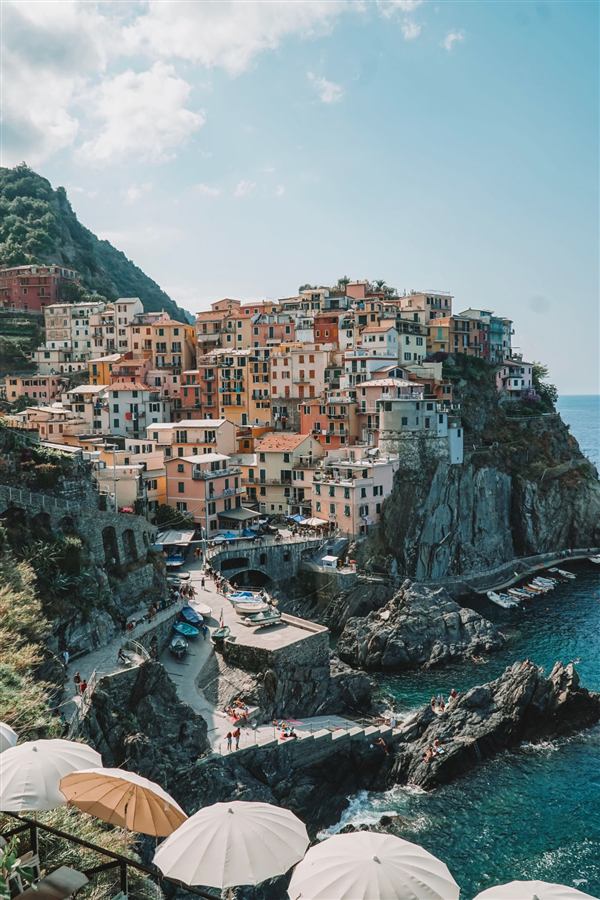
Why study in Italy?
- Public university fees are low compared with the UK or USA, and are often based on family income.
- Regional "diritto allo studio" scholarships can cover fees and give a yearly grant to eligible students.
- World-class programmes in design, architecture, fashion, engineering and food science.
- A growing number of English-taught bachelor's and master's degrees.
Approximate costs
| Item | Local currency | Approx. in INR |
|---|---|---|
| Tuition at public universities (per year) | €900–4,000 | ≈ ₹0.9–4.1 lakh |
| Living costs (per year) | €8,500–13,000 | ≈ ₹8.7–13 lakh |
Approximate, as of 2026. INR figures use about ₹102 per €; exchange rates move. Fees depend on the university and course, so we confirm exact numbers for your shortlist.
- Fees at public universities are often calculated from family income and assets, so they vary widely.
- Private universities charge higher fees.
Intakes
Most programmes start in September or October. Pre-enrolment and university applications usually run from roughly January to May, though deadlines vary by university. A few programmes have a February intake.
Visa and application steps
- Shortlist universities and courses, and check entry requirements and deadlines.
- Apply to the university and receive your admission.
- Complete pre-enrolment on the Universitaly portal.
- Apply for the Type D study visa with proof of accommodation, funds and insurance.
- Within 8 days of arriving, apply for your residence permit (permesso di soggiorno).
- Apply for regional scholarships (DSU) by the deadline, usually in summer.
Working during and after your studies
- International students can usually work part-time, up to 20 hours a week, within an annual limit.
- After graduating from an Italian university, you can apply to stay for up to 12 months to look for a job, by converting your study permit.
Popular universities
A selection of well-known options, not a ranking. The right university depends on your profile, course and budget.
Scholarships
Need-based scholarships from regional bodies that can include fee waivers, a grant and accommodation.
Scholarships for international students at Italian institutions.
Scholarships for selected master's programmes in engineering, economics and related fields.
Frequently asked questions
Is studying in Italy cheap? +
Public universities are among the most affordable in Western Europe, often around €900–€4,000 a year, and many students reduce this further with regional scholarships.
What is Universitaly? +
The Italian Ministry's portal for pre-enrolment. International students applying from abroad complete it before applying for the study visa.
Can I stay in Italy after graduation? +
Yes. Graduates can usually apply for a permit of up to 12 months to look for work.
Do I need to speak Italian? +
Not for English-taught programmes, but basic Italian makes daily life and part-time work much easier.
Last reviewed: October 2026. Visa rules and fees change often; we check the current official requirements with you during counselling.
Official sources: Universitaly · Study in Italy (Italian Government)