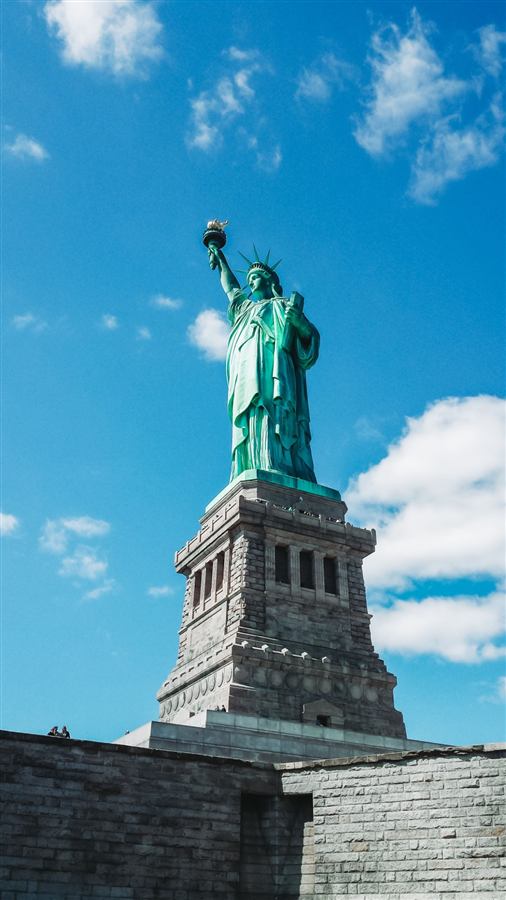
Why study in the USA?
- Thousands of accredited universities, from top research institutions to affordable state universities.
- Flexible programmes: you can often choose electives, change focus or add a minor.
- Strong industry links, internships (CPT) and post-study work through OPT, extended for STEM graduates.
- Teaching and research assistantships can cover tuition and pay a stipend, especially in STEM master's and PhD programmes.
Approximate costs
| Item | Local currency | Approx. in INR |
|---|---|---|
| Tuition, master's (per year) | $20,000–55,000 | ≈ ₹18–48 lakh |
| Tuition, bachelor's (per year) | $25,000–60,000 | ≈ ₹22–53 lakh |
| Living costs (per year) | $12,000–22,000 | ≈ ₹11–19 lakh |
Approximate, as of 2026. INR figures use about ₹88 per US$; exchange rates move. Fees depend on the university and course, so we confirm exact numbers for your shortlist.
- SEVIS I-901 fee: $350. F-1 visa application (MRV) fee: $185.
- A separate US "visa integrity fee" has been legislated; check whether it is being collected at the time you apply.
- Your I-20 lists the total first-year cost you must show funds for (tuition plus living costs).
Intakes
Fall (August/September) is the main intake with the most programmes and funding. Spring (January) is available at many universities, and a few offer Summer. For Fall, most deadlines fall between December and March.
Visa and application steps
- Shortlist universities by programme, budget, location and funding.
- Prepare tests if required (GRE/GMAT for some programmes; TOEFL, IELTS, PTE or Duolingo for English), SOP, LORs and resume.
- Apply, receive admits and choose your university.
- Submit financial documents and receive your I-20.
- Pay the SEVIS I-901 fee and fill in the DS-160 form.
- Pay the visa fee and book biometrics and your interview at a US Embassy or Consulate in India.
- Attend the interview with your I-20, financial proof and academic documents.
Working during and after your studies
- F-1 students can work on campus up to 20 hours per week while classes are in session. Off-campus work is only allowed through authorised routes such as CPT or OPT.
- Optional Practical Training (OPT) gives up to 12 months of work authorisation after your degree.
- Graduates of eligible STEM degrees can apply for a 24-month STEM OPT extension, for up to 36 months in total.
Popular universities
A selection of well-known options, not a ranking. The right university depends on your profile, course and budget.
Scholarships
Fully funded fellowships for Indian professionals in selected fields.
Teaching or research positions that can waive tuition and pay a monthly stipend.
Many universities offer automatic or competitive tuition awards to strong applicants.
Frequently asked questions
Is GRE required for US universities? +
Many universities no longer require the GRE for master's admission, but some programmes and scholarships still do. It depends on the course.
How long can I work in the US after graduation? +
OPT gives up to 12 months of work authorisation. If your degree is on the STEM list, you can apply for a 24-month extension, for up to 36 months in total.
Can I work while studying in the USA? +
Yes, on campus up to 20 hours a week during term. Off-campus work requires authorisation such as CPT, which must be part of your programme.
What is the I-20? +
It is the form your university issues once you are admitted and have shown funds. You need it to pay the SEVIS fee and apply for your F-1 visa.
Last reviewed: October 2026. Visa rules and fees change often; we check the current official requirements with you during counselling.
Official sources: travel.state.gov – Student visas · Study in the States (DHS)