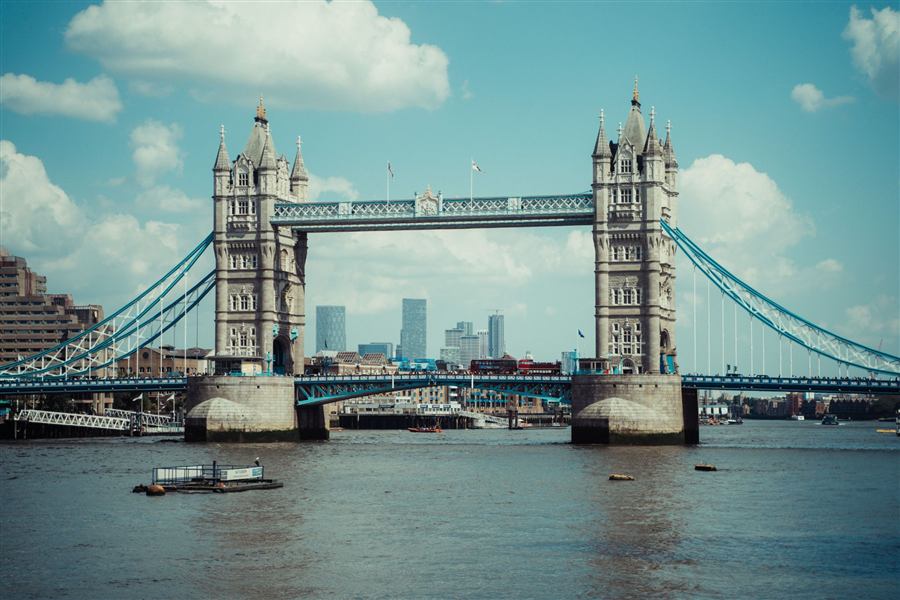
Why study in the UK?
- Most taught master's programmes take just one year, so you spend less on tuition and living costs and start working sooner.
- Degrees from Russell Group and many modern universities are recognised by employers worldwide.
- The Graduate Route lets you stay and work after your degree without needing a job offer or sponsor first.
- Large Indian student communities in London, Manchester, Birmingham, Leicester and other cities.
Approximate costs
| Item | Local currency | Approx. in INR |
|---|---|---|
| Tuition, master's (per year) | £15,000–35,000 | ≈ ₹18–41 lakh |
| Tuition, bachelor's (per year) | £14,000–30,000 | ≈ ₹17–35 lakh |
| Living costs (per year, outside London) | £11,000–15,000 | ≈ ₹13–18 lakh |
| Living costs (per year, London) | £15,000–20,000 | ≈ ₹18–24 lakh |
Approximate, as of 2026. INR figures use about ₹118 per £; exchange rates move. Fees depend on the university and course, so we confirm exact numbers for your shortlist.
- Student visa application fee: £558 (from outside the UK).
- Immigration Health Surcharge: £776 per year of visa for students, paid upfront with the application.
- For the visa you show remaining tuition for the first year plus living costs: £1,529 per month in London or £1,171 per month outside London, for up to 9 months, held for 28 consecutive days.
Intakes
September is the main intake with the widest choice of courses. Many universities also run a January intake, and a few offer May. Applications for September usually open in the autumn of the previous year, so start shortlisting 9–12 months ahead.
Visa and application steps
- Shortlist universities and courses that fit your profile, budget and career goal.
- Take an English test if needed (IELTS, PTE or another test your university accepts; some waive it based on Class 12 English marks).
- Apply, receive your offer, accept it and pay the tuition deposit.
- Receive your CAS (Confirmation of Acceptance for Studies) from the university.
- Arrange funds: tuition balance plus living costs, held for 28 consecutive days, with the statement dated within 31 days of applying.
- Apply online for the Student visa, pay the fee and Immigration Health Surcharge, and give biometrics at a visa application centre.
- Get your decision, collect your BRP/eVisa details and plan your travel.
Working during and after your studies
- During term, degree-level students at a university can usually work up to 20 hours per week, and full-time in official vacations. Your exact limit is shown on your visa.
- After graduating, the Graduate Route lets you stay and work or look for work without a sponsor: 2 years for bachelor's and master's graduates who apply on or before 31 December 2026, and 18 months for those who apply from 1 January 2027. PhD graduates get 3 years.
- To stay longer, you typically switch to a Skilled Worker visa with a licensed sponsor employer.
Popular universities
A selection of well-known options, not a ranking. The right university depends on your profile, course and budget.
Scholarships
UK government awards for one-year master's degrees, for students with leadership potential and work experience.
Master's and PhD funding for students from Commonwealth countries, including India.
Awards of at least £10,000 for Indian students at participating UK universities.
Most universities offer automatic or application-based fee discounts for strong academic profiles.
Latest updates
- UK Graduate Route cut to 18 months: what it means for Indian students
- UK student visa funds: how much money to show and for how long
- London vs Manchester vs Birmingham: which UK city costs less for students?
Frequently asked questions
Is a UK master's really one year? +
Most taught master's degrees (MSc, MA, MBA at many schools) run for 12 months, typically September to September. Some courses with a placement year take two years.
How much money do I need to show for a UK Student visa? +
Your remaining first-year tuition fee plus living costs of £1,529 per month in London or £1,171 per month elsewhere, for up to 9 months. The money must be held for 28 consecutive days, ending within 31 days of your application.
How long can I work in the UK after my degree? +
Under the Graduate Route, bachelor's and master's graduates get 2 years if they apply on or before 31 December 2026, and 18 months if they apply from 1 January 2027. PhD graduates get 3 years.
Do I need IELTS for the UK? +
Many universities accept IELTS, PTE, TOEFL or their own tests, and some waive the test based on your Class 12 English score. The requirement depends on the university and course.
Last reviewed: October 2026. Visa rules and fees change often; we check the current official requirements with you during counselling.
Official sources: GOV.UK – Student visa · GOV.UK – Student visa money requirements · GOV.UK – Graduate visa